
Arts, Culture, and Placemaking
Arts, Culture, and Placemaking
Arts and culture are essential to Salt Lake City’s identity and economic vitality. When the Redevelopment Agency was established in 1969, one of its primary objectives was “to improve infrastructure, preserve historic buildings, reduce crime, and create new housing and commercial opportunities.” Preservation was not an afterthought. It was foundational to the agency’s redevelopment mission. Today, the Salt Lake City Community Reinvestment Agency continues that legacy by investing in historic cultural assets, adaptive reuse, and public art that strengthen neighborhoods and public life.
Investing in Cultural Institutions
Cultural institutions are long-term public assets that anchor downtown and neighborhood centers. The CRA plays a critical role in sustaining and modernizing these facilities by partnering with public agencies to preserve historic structures, reinvest in aging infrastructure, and ensure continued public access to the arts.
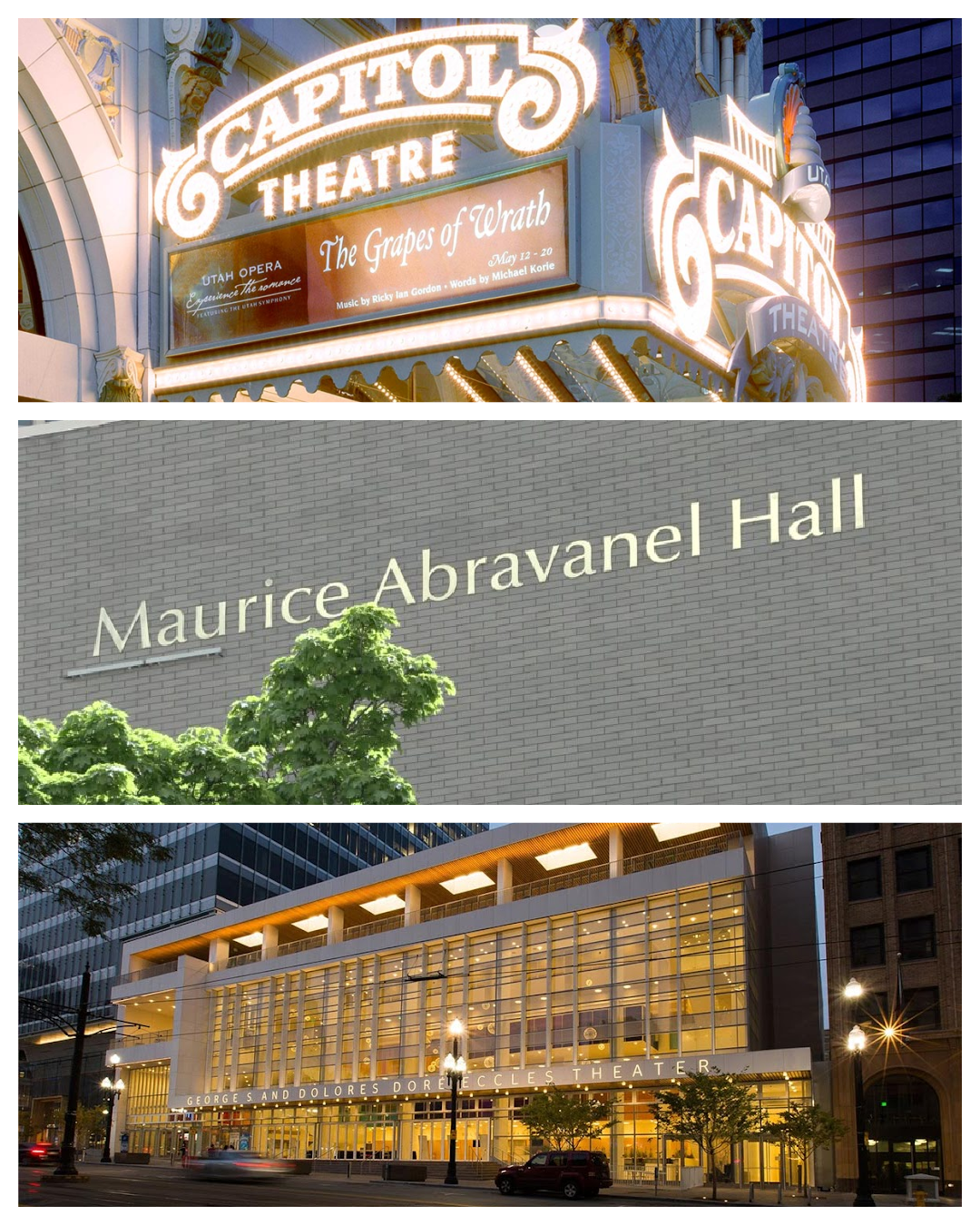
In the late 1970s, the CRA partnered with Salt Lake County to help sustain and preserve the Capitol Theatre, thereby protecting one of the city’s most significant historic performance venues and ensuring its continued use as a regional cultural anchor. The partnership was extended to support the development of Abravanel Hall, helping deliver a permanent home for the Utah Symphony and anchor downtown’s cultural core.
Most recently, the CRA’s significant investment and partial ownership of the Eccles Theater helped deliver a modern performance venue designed to serve diverse productions and audiences.
These investments extend beyond buildings. By pairing cultural infrastructure with placemaking improvements such as public plazas, streetscape enhancements, and pedestrian connections, the CRA reinforces cultural institutions as active, visible parts of the urban fabric. This approach strengthens surrounding businesses, supports transit-oriented activity, and creates welcoming places where arts, community, and daily life intersect.
Creative Placemaking
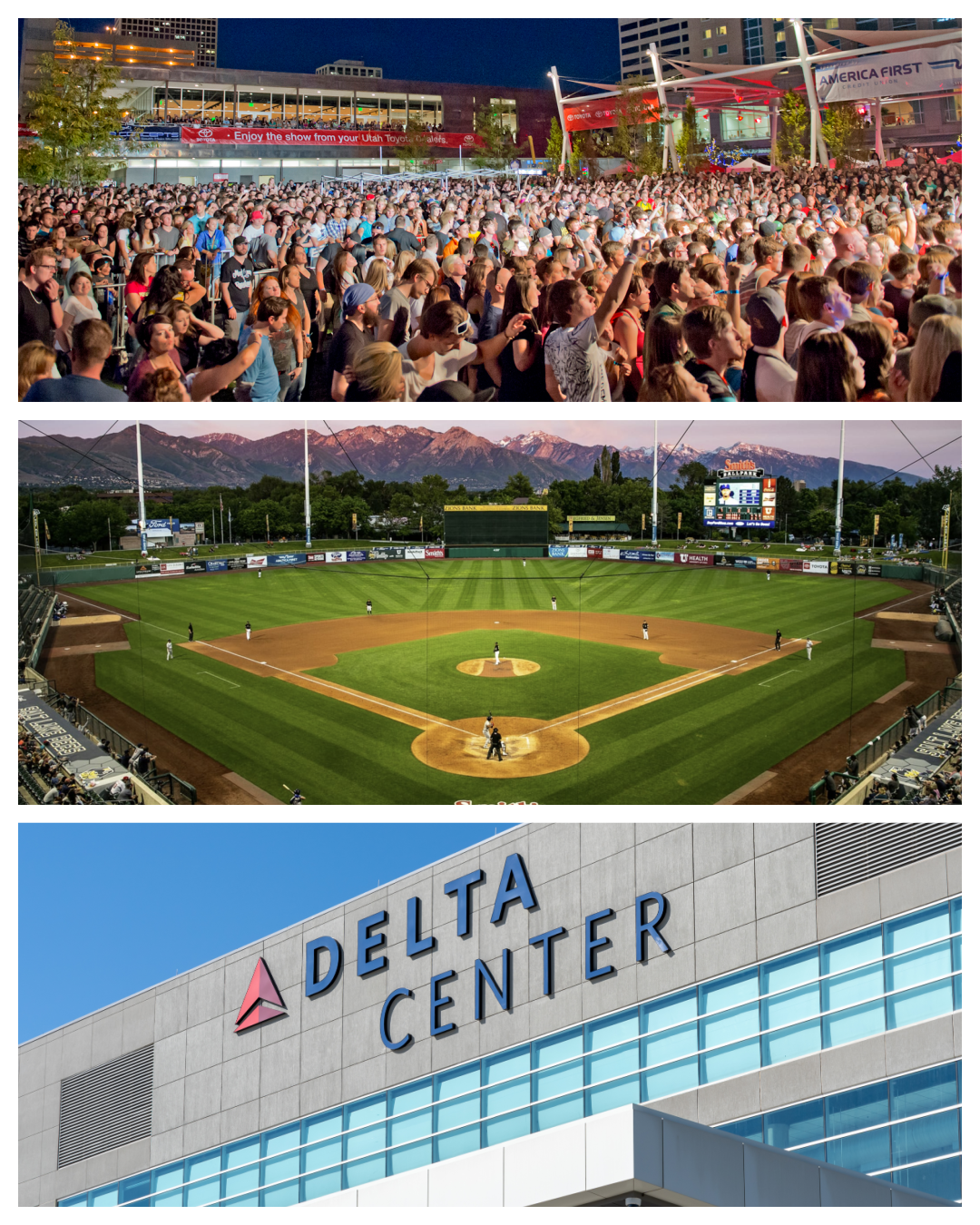
Arts and culture are powerful tools for place-based redevelopment, particularly when paired with long-term public stewardship. In downtown, the CRA owns The Gallivan Center and invests in its ongoing operation as a flexible civic space that supports year-round cultural, recreational, and community programming. Through concerts, performances, seasonal events, and everyday activations, Gallivan functions as a shared public living room that brings people together, supports downtown businesses, and strengthens the city’s cultural life.
The CRA serves as the steward of the historic Ballpark site and is guiding its evolution as part of a broader neighborhood redevelopment effort. Placemaking and community programming are central to this work. By introducing cultural events, temporary activations, and public art, the CRA helps maintain the site as an active and welcoming place while long-term redevelopment planning continues. These efforts reinforce neighborhood identity, create opportunities for gathering and connection, and ensure that arts and culture remain visible, accessible, and embedded in the future of Ballpark.
The CRA also owns the land beneath the Delta Center, reflecting its long-standing role in supporting major civic and cultural destinations. Ground ownership enables the CRA to collaborate in long-term planning for one of the city’s most heavily utilized public venues, ensuring that the site continues to contribute to downtown vitality, supports surrounding development, and remains integrated with transit, public space, and broader placemaking objectives.
Public Art
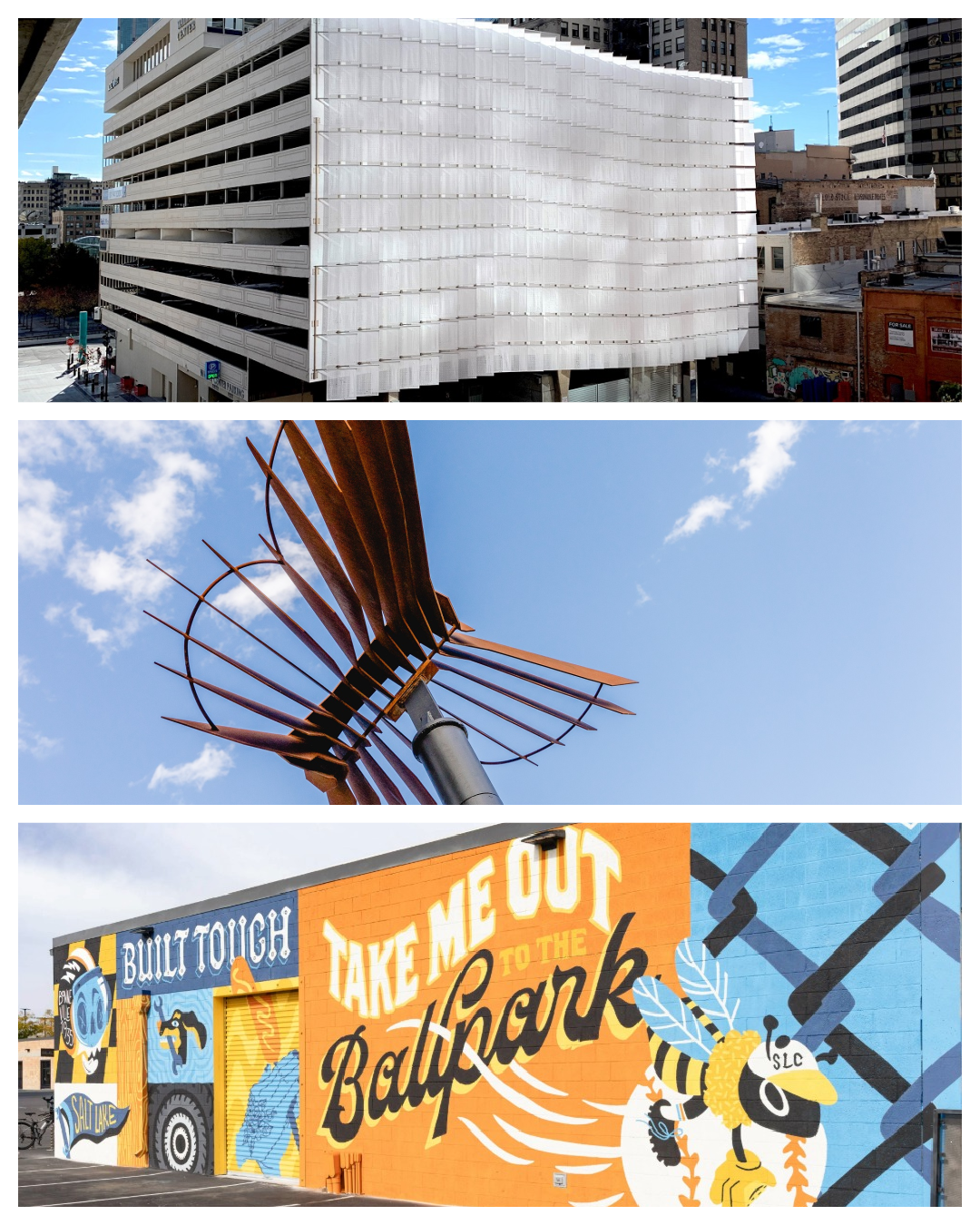
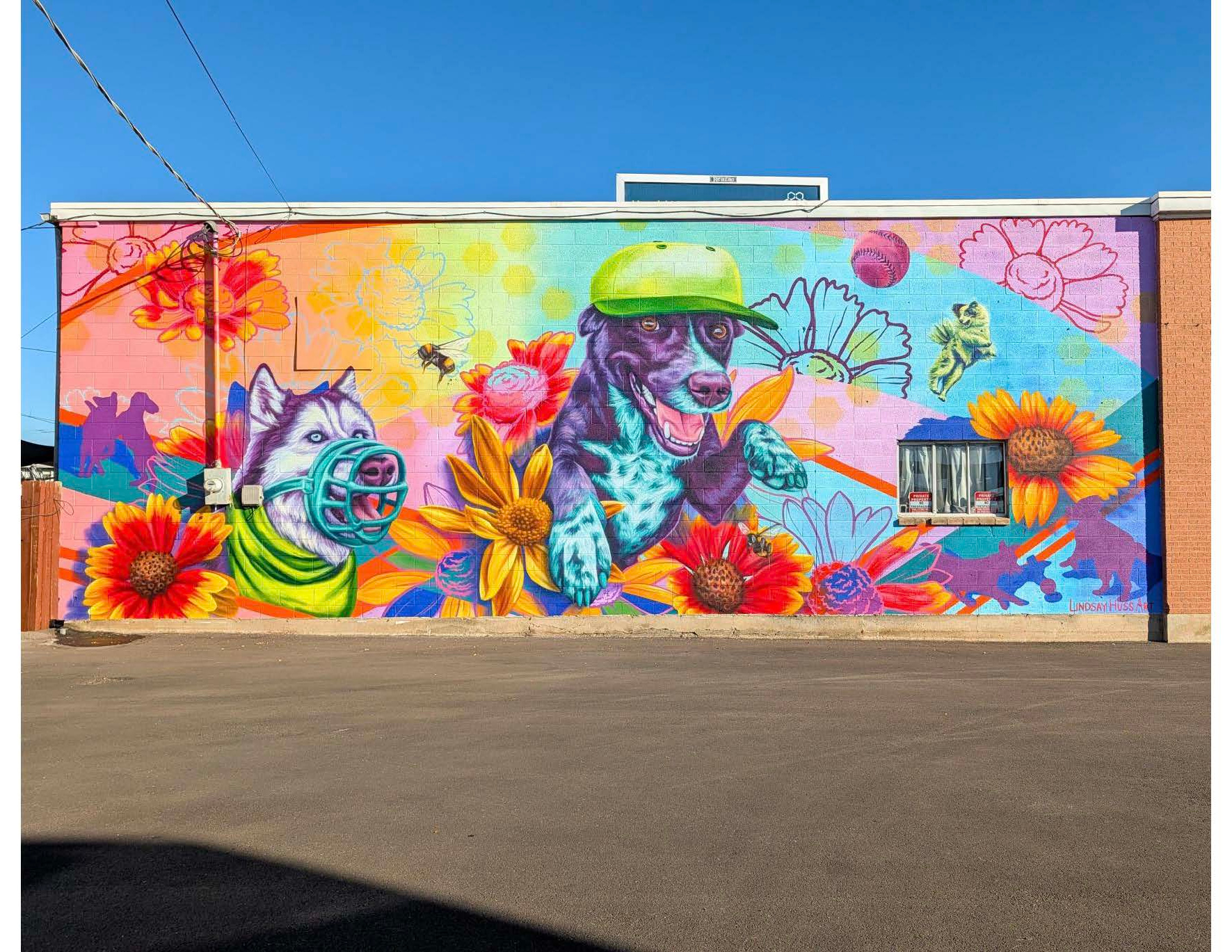
Public art is a visible and enduring expression of Salt Lake City’s identity. The CRA supports public art as a core component of redevelopment, recognizing its ability to tell local stories, reflect community values and shape how people experience neighborhoods and public spaces. Murals, installations and artist-led projects help create a sense of place while making arts and culture accessible outside traditional venues.
CRA investment in public art is closely tied to placemaking and neighborhood revitalization. Public art is often integrated into broader redevelopment efforts, including streetscapes, plazas, housing developments and commercial corridors. These projects activate underused spaces, enhance walkability and invite people to linger, gather and connect. By embedding art into the built environment, the CRA helps ensure that redevelopment supports both physical improvement and cultural expression.
Community engagement is central to the CRA’s public art approach. Artists are encouraged to respond to neighborhood context, history and lived experience, resulting in work that feels authentic and locally grounded. Through partnerships, funding support and coordination with redevelopment projects, the CRA helps bring creative voices into public space, reinforcing neighborhood identity and contributing to vibrant, inclusive places across the city.