National Housing Leaders Celebrate Salt Lake City’s Arbor 515

“Utah’s tallest response to COVID”

A once-empty office tower in the heart of Salt Lake City is now full of life, laughter and a bold new idea about what affordable housing can be.

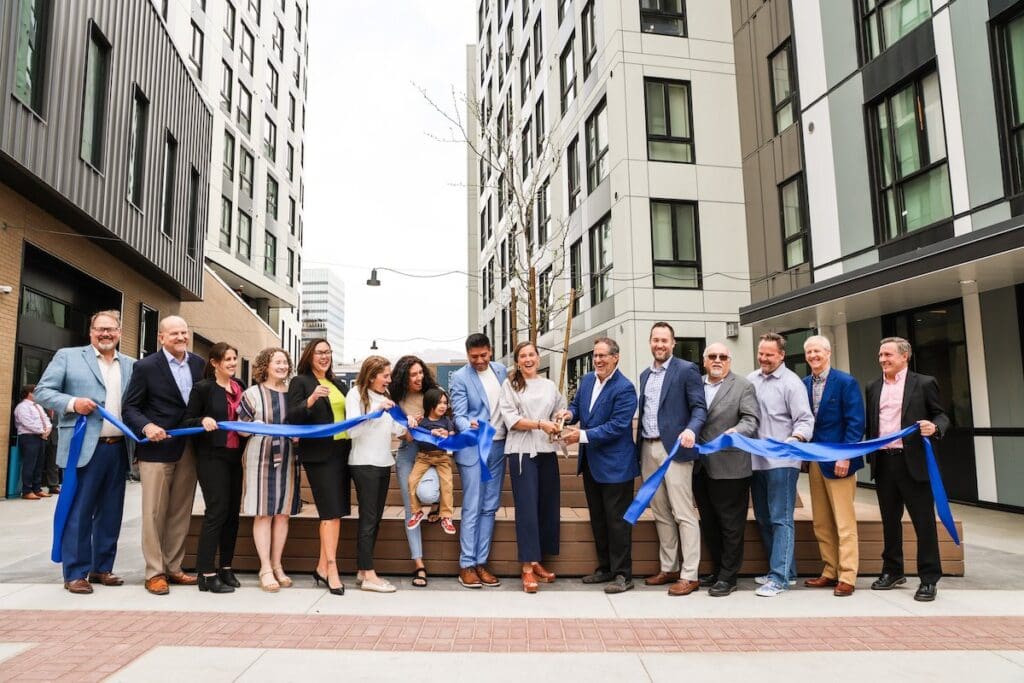
Local and national housing leaders gathered to cut the ribbon on Arbor 515, a 14-story adaptive reuse project that’s transforming the way people think about affordability, ownership, and opportunity.
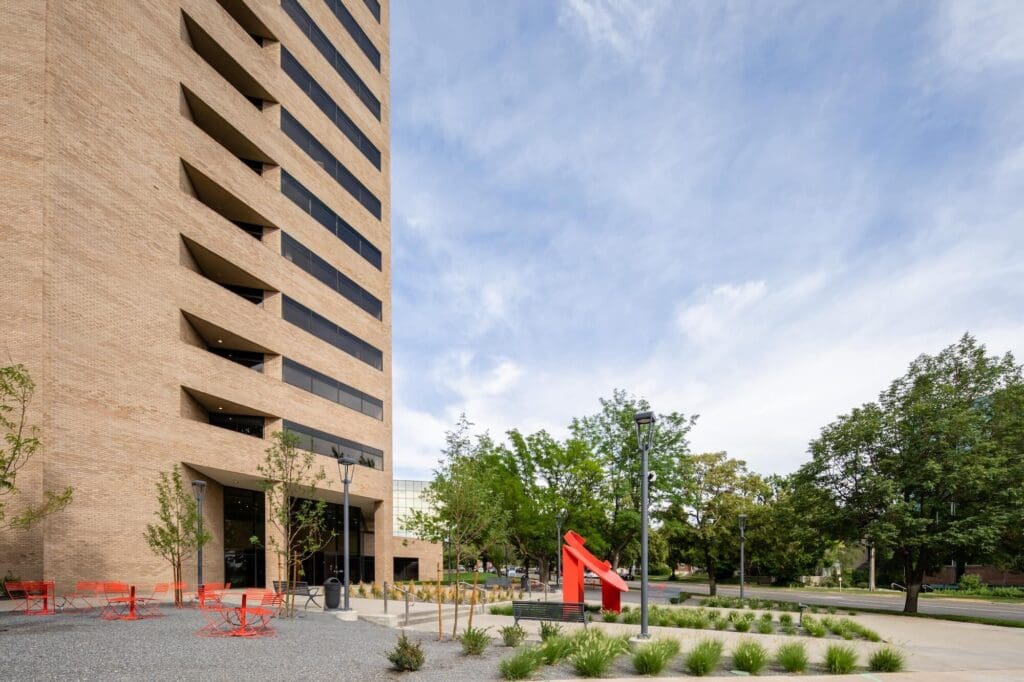
The former commercial tower at 515 East and 100 South has been converted into 96 affordable apartments. Instead of simply providing lower rents, the development offers something far rarer: a chance for residents to build equity while they rent.

Developed by the Perpetual Housing Fund of Utah, with significant funding from the CRA, Arbor 515 is the city’s first large-scale office to housing conversion and one of the first in the nation to incorporate a renter wealth-building model.

“Where families actually need it”

Standing in the crisp morning air, in what she calls the “eastern thumb of downtown,” Mayor Erin Mendenhall told the crowd that the project marks a new chapter for housing in Salt Lake City.

“This is happening close to transit, close to jobs, and right where families actually need it,” Mendenhall said. “I was raised by a single mother. We could’ve lost our housing over the course of several years of my childhood. That risk was always there on our horizon. Projects like Arbor 515 change that story for the next generation.”

The mayor called the building a “model for how we can turn affordability into stability and stability into equity.”

Turning renters into wealth builders

Under the Perpetual Housing Fund’s approach, residents earn financial credits through their rent payments that can later be applied toward a down payment or shared profits if the property is refinanced or sold. The model allows renters to start building savings and, hopefully, generational wealth in the midst of the nation’s homeownership crisis.

“During COVID, the average Utahn lost their ability to afford a home,” said Chris Parker, of GIV Group, who helped structure the project. “The average Salt Laker can afford zero of the homes in Salt Lake if they’re making the average income. That’s why we have to innovate.”

Breaking barriers and cycles

Governor Spencer Cox, who joined Mayor Mendenhall at the ribbon cutting, praised the development as an example of what collaboration and creativity can achieve.
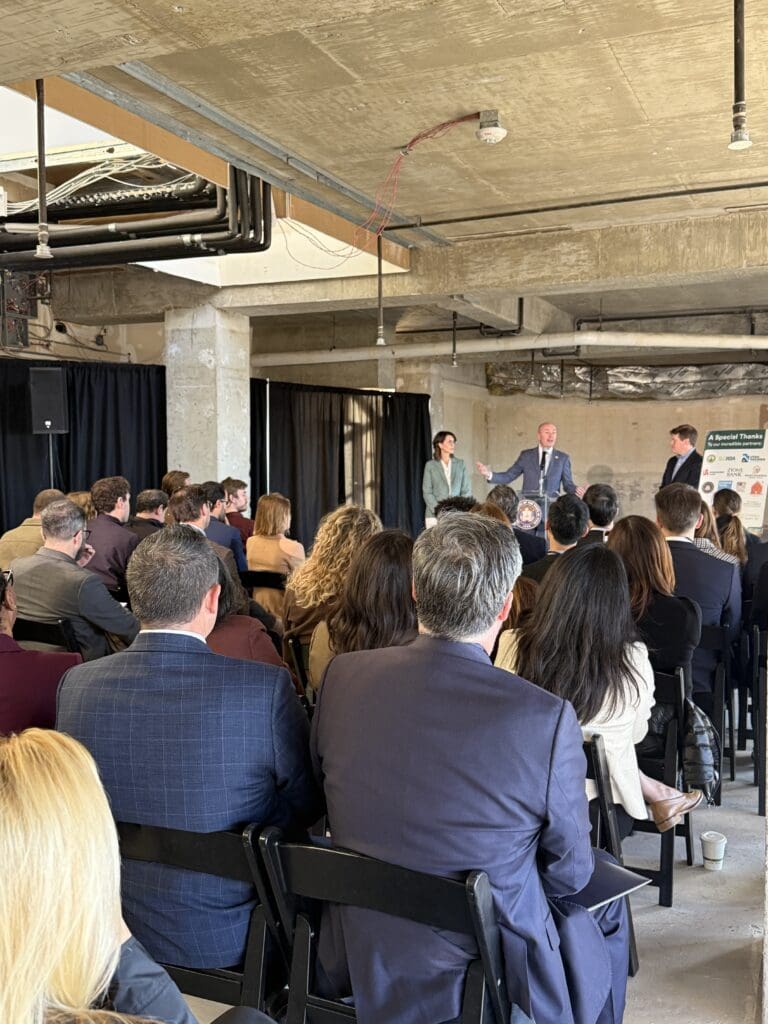
“The idea that we’ve been so focused on – not just helping people who are in poverty, but breaking the cycle of intergenerational poverty, that’s what these units have the opportunity to do,” Cox said.

Arbor 515 was made possible through an allocation of more than $12 million provided by the CRA, as well as funding from various other partners.

Designed for dignity and connection

Inside, Arbor 515 feels more like a new downtown residential tower than an office retrofit. Apartments range from studios to four bedrooms, featuring high ceilings, large windows, and modern finishes. Shared amenities include a fitness center, community lounge, and covered parking.

On the second floor, Pinyon Montessori, a micro-school serving children aged 3 to 12, brings a family-friendly touch to the building and serves as a reminder that housing and childcare are deeply linked.

More than a one-off

To close the event, Mayor Mendenhall announced that more than $14 million in new city funding is now available to developers to continue building on Arbor 515’s success through the Housing Development Loan Program and the Residential Wealth Building Program.

With construction complete and leasing nearly full, Arbor 515 stands as more than a repurposed building. It’s a vision for what’s possible when cities invest not only in homes, but in hope.

“When we create homes that build stability and equity,” Mendenhall added, “we’re not just investing in housing. We’re investing in people — in the possibility that the next generation of Salt Lakers will grow up with opportunity under their own roof.”
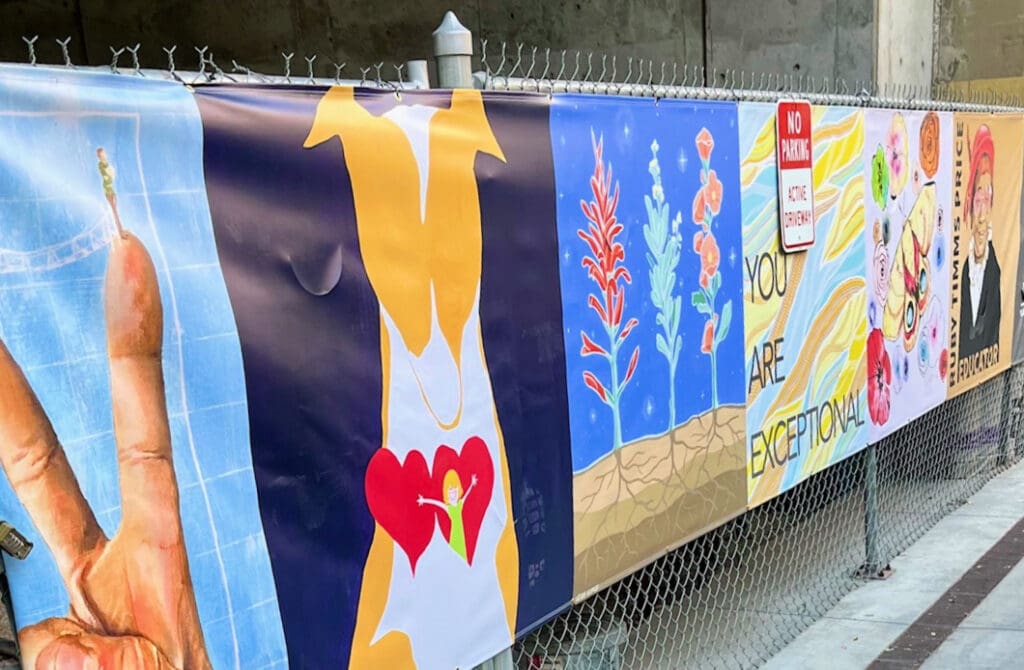
Five Years Later, “Art for Hope” Still Unites Salt Lake City Through Creativity

Five years ago, amid a global pandemic and national unrest, the CRA launched Art for Hope —a citywide art installation designed to inspire unity and resilience during a time of deep uncertainty.

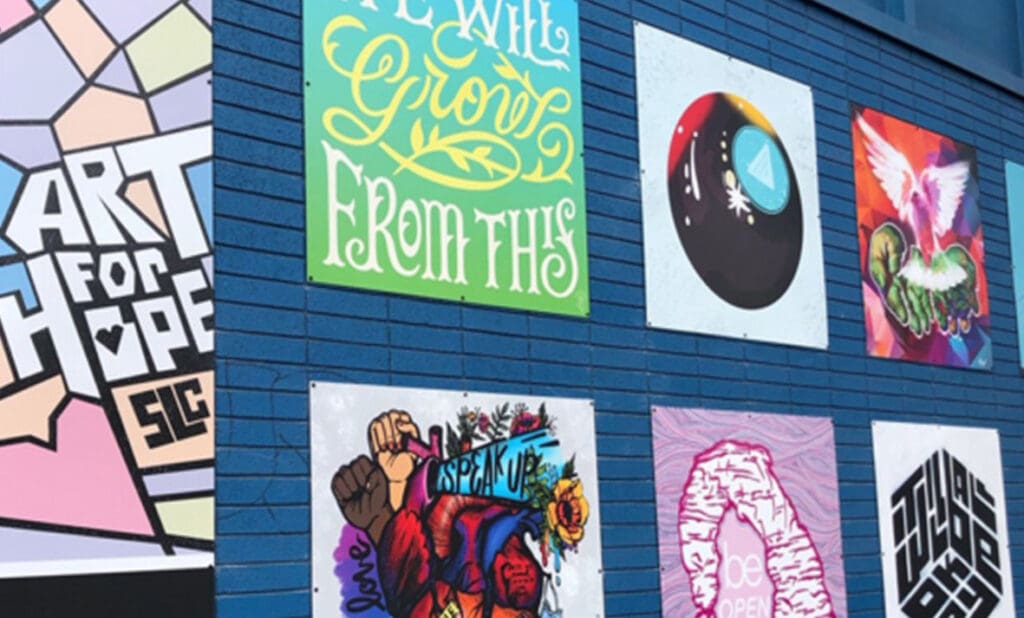
Art for Hope SLC Sugar House Collection

Back then, “in uncertain times” was the refrain of daily life, and we were told to prepare for a “new normal.” Yet as the years have shown, uncertainty itself may be the new normal. Through it all, art continues to stand as one of our most enduring unifiers.

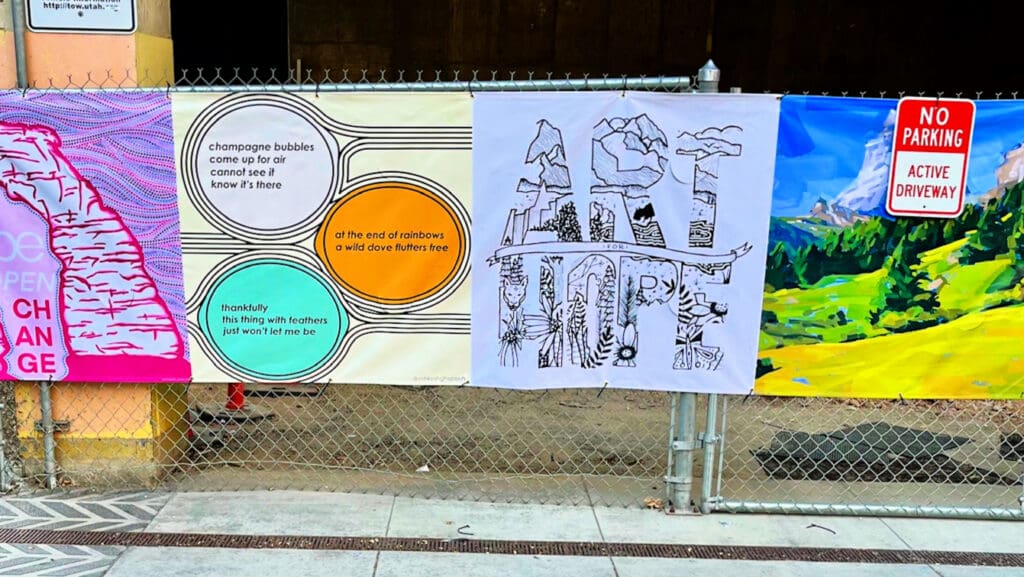
To mark the five-year anniversary of the original Art for Hope campaign, the CRA has reimagined the project—installing temporary banners featuring the original artwork on fencing near McCarthey Plaza at 154 South Regent Street. The refreshed display invites residents to reflect on how far we’ve come while celebrating the creativity that helped carry us through challenging times.

Temporary Art for Hope Installation in McCarthey Plaza in Salt Lake City

The original Art for Hope project was launched in 2020 as a collaboration between the RDA and local artists. More than 30 Utah-based artists were commissioned to create 4-by-4-foot “message squares,” each offering a visual message of optimism, solidarity, and recovery. Installed on CRA-owned properties in Downtown, Sugar House, and along North Temple, the artwork transformed blank fences and facades into beacons of color and hope when the city needed it most.

Today, visitors can walk past the Art for Hope banners and continue into McCarthey Plaza, where public art has become a defining feature of this downtown space’s creative revival. The plaza now features a large permanent installation, several murals, and a new photo exhibit titled Sonder—a striking collection of portraits highlighting Salt Lake residents who are making change in their communities.

For those who can’t make it in person, the full Art for Hope SLC gallery remains available online.

Even as the city evolves, the message remains the same: art connects us, strengthens us, and reminds us that hope, like creativity, is meant to be shared.

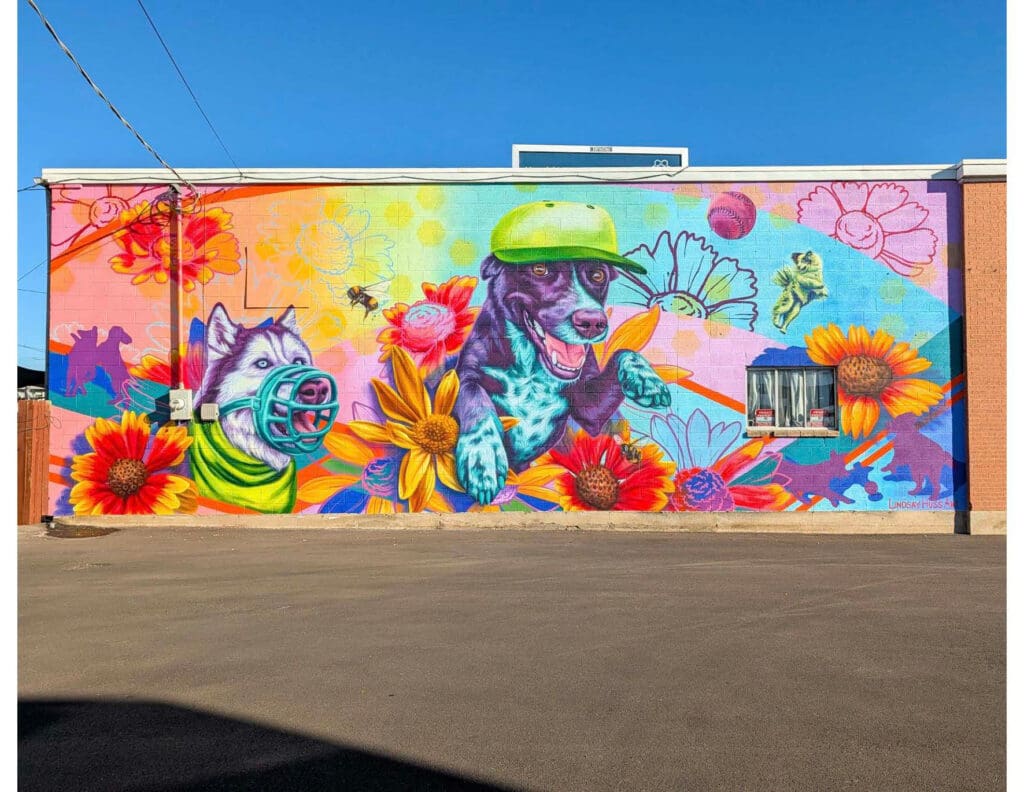
Ballpark Neighborhood Bursts with Color: Ten New Murals Transform the Area

Salt Lake City’s Ballpark neighborhood is brighter than ever, thanks to a new series of murals celebrating creativity, community, and local pride.

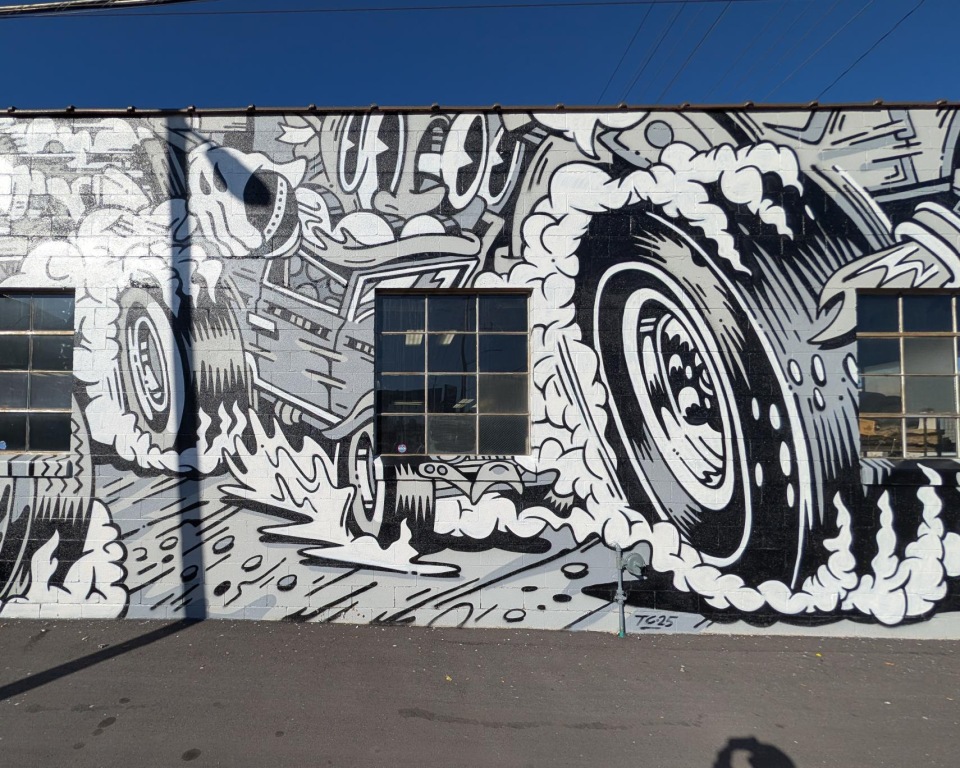
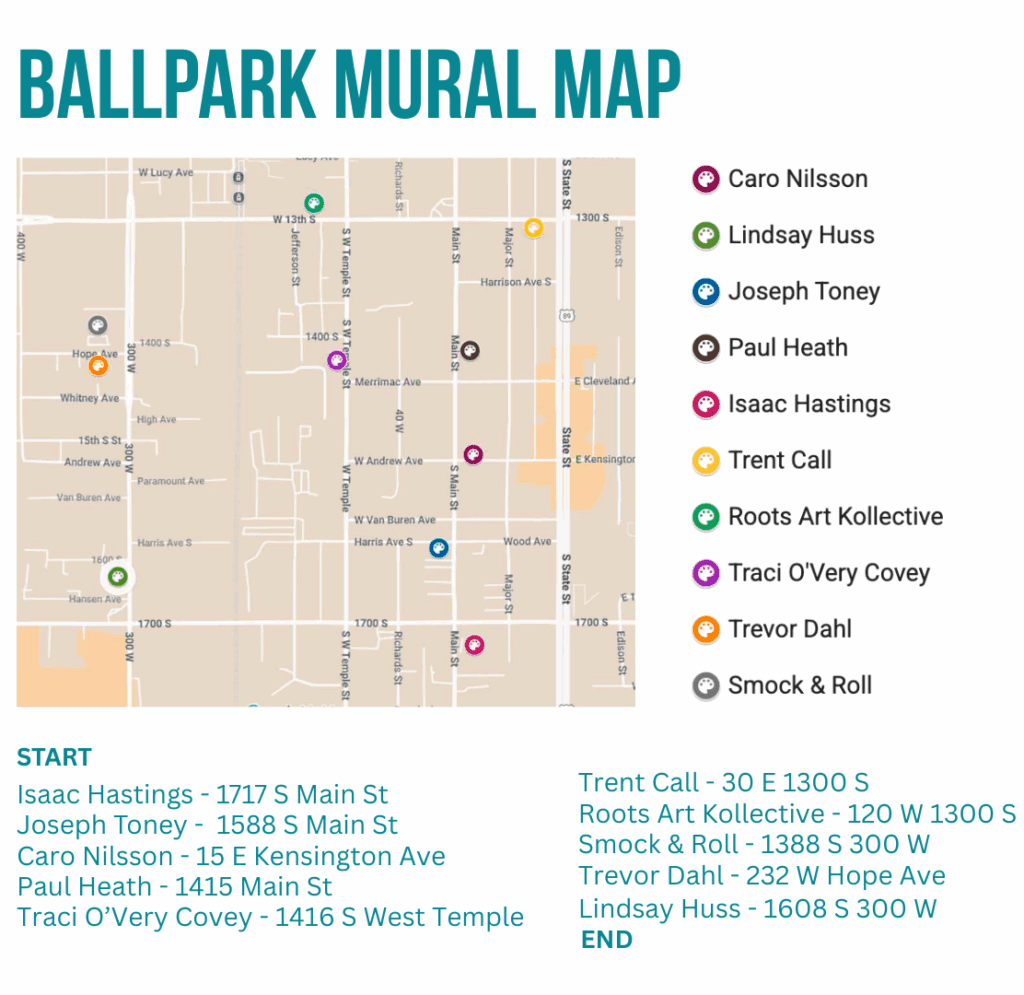
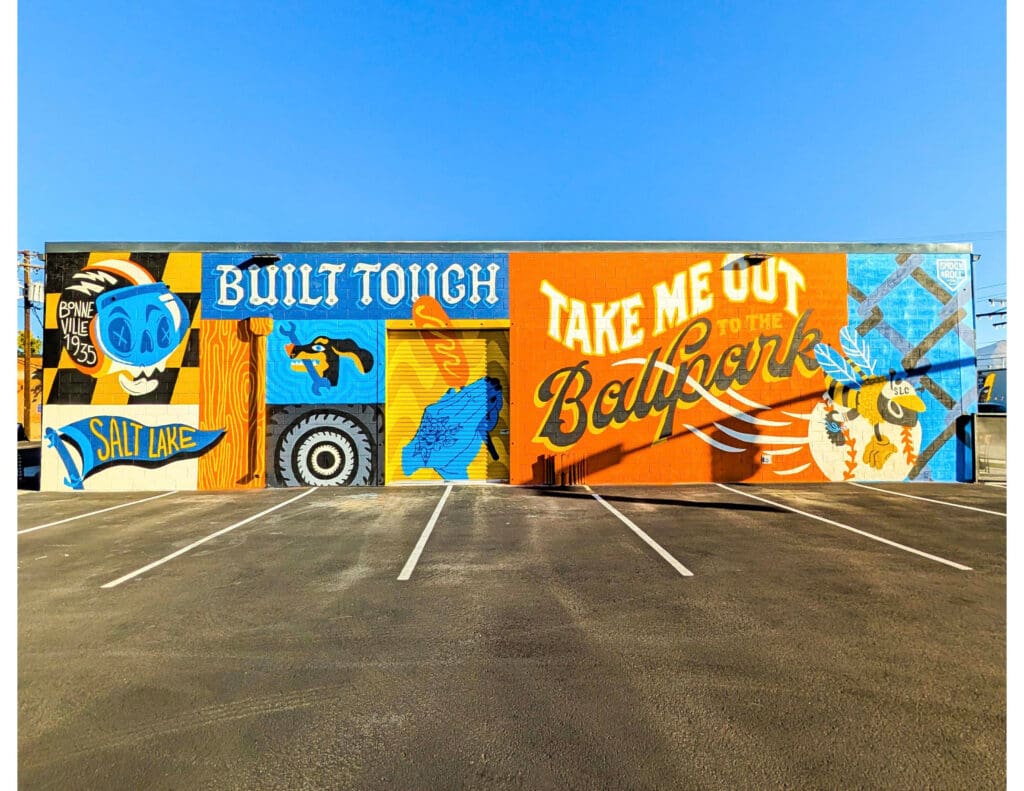
Through a partnership between the Salt Lake City Community Reinvestment Agency (CRA) and the Salt Lake City Arts Council, ten murals have been installed throughout Ballpark — each created by a local artist working alongside neighborhood businesses and property owners.

“The murals are more than just art on walls,” said Browne Sebright, CRA Project Manager. “They represent collaboration between local artists, businesses, and neighbors. Public art like this helps strengthen the identity and vitality of the Ballpark area.”

Each mural site was carefully selected for visibility and community impact, transforming once-blank walls into vibrant landmarks that welcome residents and visitors alike.

The program’s goal is simple but powerful: enhance Ballpark’s visual identity while promoting creativity, inclusivity, and economic vitality. Every mural will be professionally maintained for at least five years — ensuring that this investment in public art continues to inspire for years to come.

“These murals reflect the spirit of Ballpark — energetic, diverse, and full of local pride,” said Taylee Foulger, CRA Project Coordinator.

The Ballpark Mural Program shows how small-scale public art investments can make a big difference — beautifying streetscapes, supporting artists, and fostering connection across the community.

The Aster Earns Prestigious ULI Terwilliger Center Finalist Spot

Affordable, Ambitious—and Now a ULI Finalist

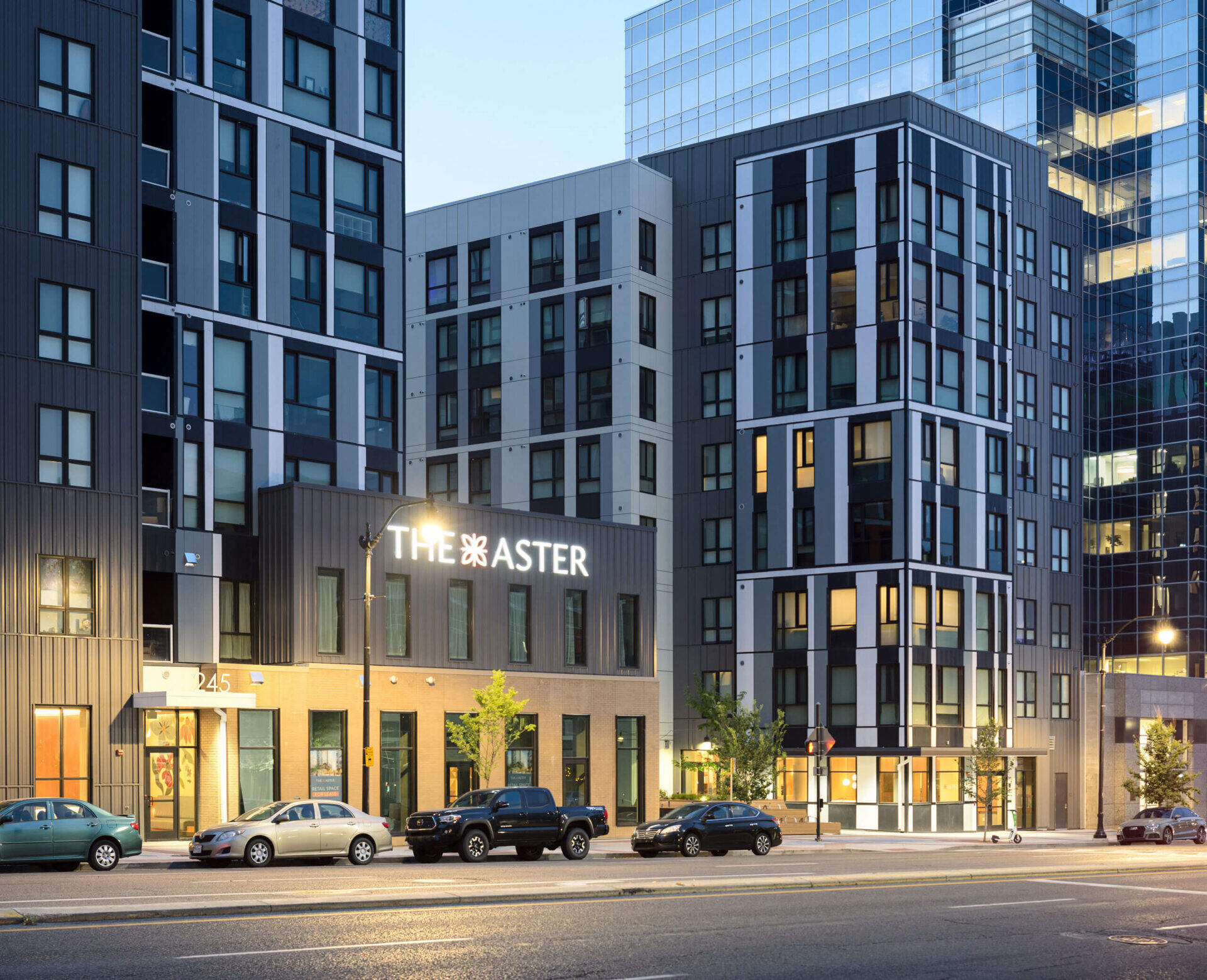
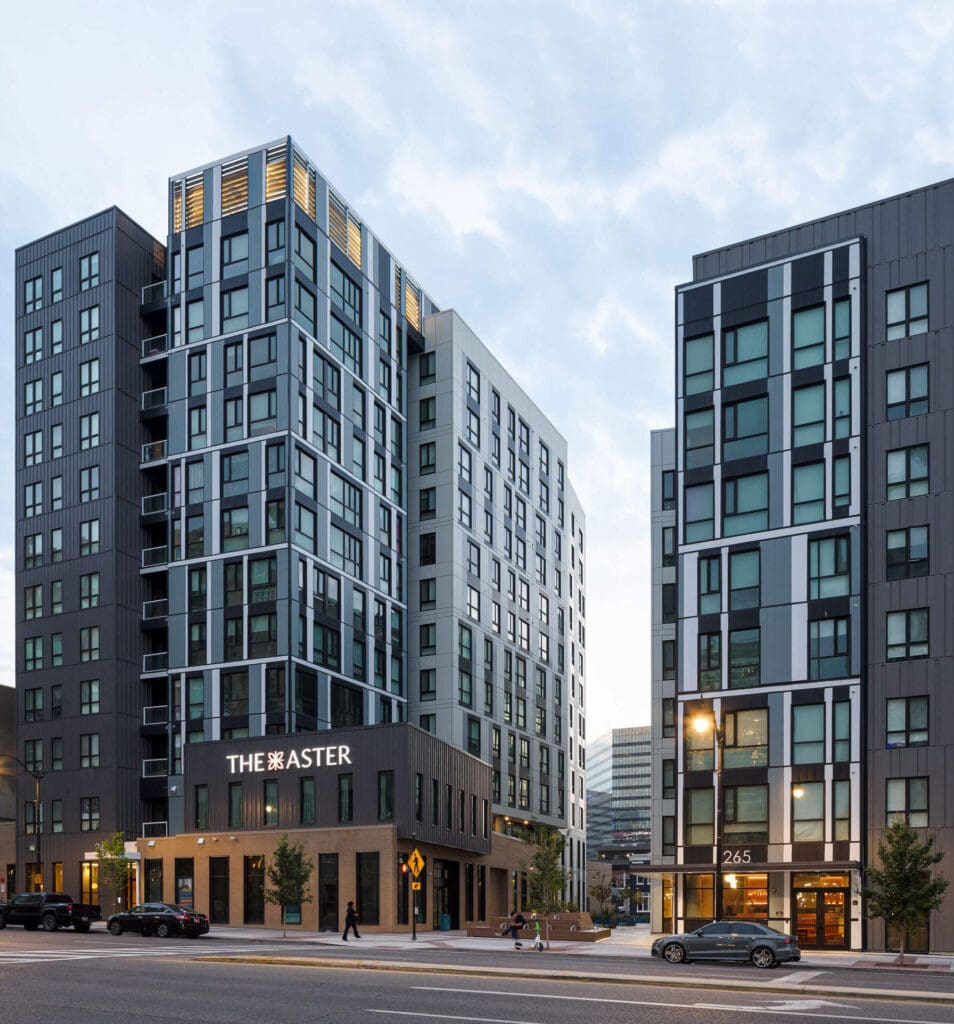
Two years after opening its doors in downtown Salt Lake City, The Aster — a mixed-use development at 255 State Street commissioned by the Salt Lake City Community Reinvestment Agency — is making headlines again: it has been named a national finalist for the 2025 Urban Land Institute Terwilliger Center Award for Innovation in Attainable Housing, a top honor recognizing innovation in housing solutions.

Recognition from ULI’s Terwilliger Center positions the project alongside national leaders in replicable, inclusive housing. According to ULI’s July announcement, The Aster is one of just eight finalists reaching the national stage .

About The Aster

Developed by Brinshore Development, The Aster offers 190 apartments, including 168 deed-restricted units priced for households earning 20 to 80 percent annual median income (AMI) – more than half of those units are available to households earning 50 percent AMI or below.

Danny Walz, CEO of Community Reinvestment Agency, highlights the significance:

“The Aster exemplifies how intentional design and public-private partnership can deliver deeply attainable housing at scale.”

The project’s developer, Brinshore Development, was selected by the CRA in 2018 through a competitive public Request for Qualifications process to build affordable housing on the CRA’s 1.1-acre property.

The Aster project received a total of $14.5 million in financial assistance from the CRA. Other public financing came from the Utah Housing Corporation, tax exempt bonds, the Olene Walker Housing Loan Fund, state housing tax credits, Salt Lake City’s Division of Housing Stability, and Salt Lake County. Architecture and construction partners include KTGY Architecture + Planning and Wadman Corporation.

Walz emphasizes that it’s the blend of family-sized units, integrated retail, and connective public space that truly sets The Aster apart.

In addition to affordable housing the project also features 18,000 square feet of commercial space across two newly constructed buildings flanking a lively paseo, as well as the historic Cramer House. The result is a development that combines deep affordability with community vitality.

What’s next?

ULI will announce winners at the annual Fall Meeting in November. Regardless of the outcome, The Aster’s national recognition serves as a model for how cities can thoughtfully deliver affordable housing that contributes cultural, economic, and neighborhood value.

To learn more about the awards and other finalists, read the Urban Land Institute’s Terwilliger Housing Awards news release.

CRA releases final draft of Ballpark Design Plan

A bold, community-informed vision for the future of the historic Ballpark neighborhood is moving forward today.


The Salt Lake City Community Reinvestment Agency (CRA) has released the final draft of the Ballpark Design Plan, marking a major milestone in the effort to reimagine the future of the historic Smith’s Ballpark site and its surrounding neighborhood. The plan will be formally presented to the CRA Board of Directors for discussion and public comment at 2 p.m. Tuesday, July 8, with final endorsement anticipated in August.

The Ballpark Design Plan represents the culmination of a robust, transparent public engagement process that included a design competition, workshops, focus groups, surveys, and direct collaboration with community stakeholders.The Ballpark neighbors themselves made this plan possible—through survey responses, late-night meetings, and a wall of blue and yellow sticky notes,” said Mayor Erin Mendenhall.

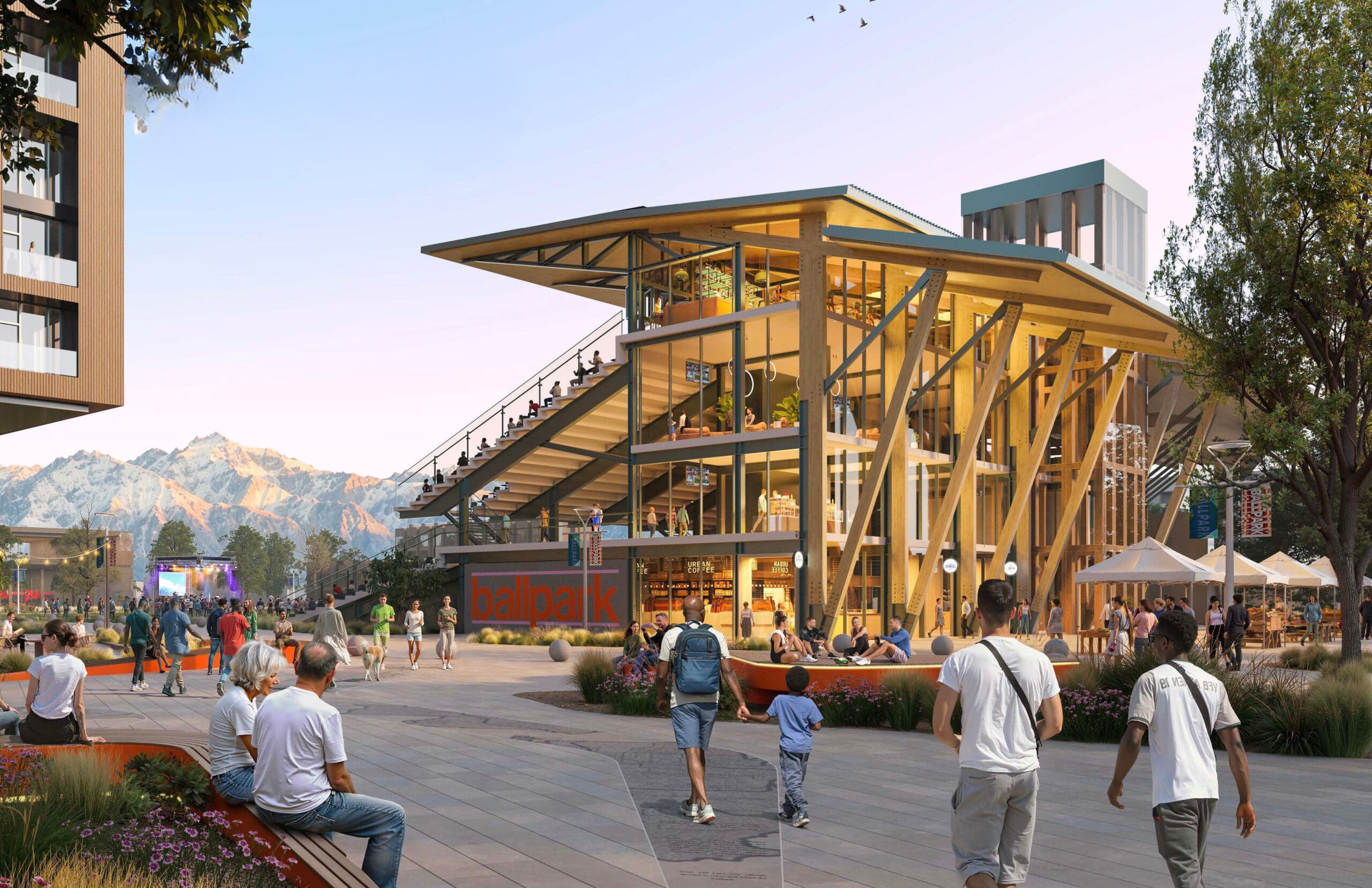
The result is a neighborhood-scale vision that embraces adaptive reuse of the ballpark structure, introduces vibrant public spaces, supports mixed-use commercial and residential development, and creates new opportunities for year-round events, economic growth, and neighborhood identity.

A community-centered design

At the heart of the design is the concept of preserving and transforming key elements of the stadium. The most notable being reuse of the stadium and an “arrival gateway” anchoring the neighborhood’s identity. The design also introduces a multipurpose festival street off of the stadium’s west facade along West Temple, envisioned as a year-round hub for markets, music, art, and public gatherings.
In addition to supporting economic and cultural activation, the plan focuses on improving walkability, enhancing access to green space, and strengthening connections to nearby transit, schools, and services.

“This isn’t just a vision—it’s a concrete step toward the kind of community residents have told us they want,” said Council Member Darin Mano, who chairs the CRA Board and represents the Ballpark area. “It’s inclusive, creative, and deeply rooted in the character of the neighborhood.”

Looking Ahead

The Ballpark Design Plan does not prescribe specific developments but instead establishes a flexible, values-based framework to guide public and private investment. It intentionally leaves room for complementary housing strategies, such as attainable homeownership, family housing, and aging-in-place models, to be pursued alongside the physical transformation of the site. Feedback from community members helped inform this balanced approach.

The CRA will release a request for proposals on phase one development later this year. In the meantime, the agency is working with contractors and community partners to activate the site throughout 2025 with food truck nights, outdoor markets and neighborhood concerts. These interim uses will ensure the site remains welcoming, safe, and energized while long-term plans progress.
Public participation encouraged

The CRA invites residents, business owners, and all community stakeholders to review the final draft and share feedback ahead of the July 8 CRA Board meeting. The full plan is available online.

EPA Awards $2M to University of Utah

Rio Grande Cleanup to Boost CRA Redevelopment Plans

Salt Lake City’s Community Reinvestment Agency (CRA) is celebrating a major step forward in the transformation of the Rio Grande District following the U.S. Environmental Protection Agency’s announcement of a $2 million Brownfields Cleanup Grant directed to property owned by the University of Utah. The site is a key component of the city’s long-term redevelopment strategy for one of the most transit-accessible areas in the state.

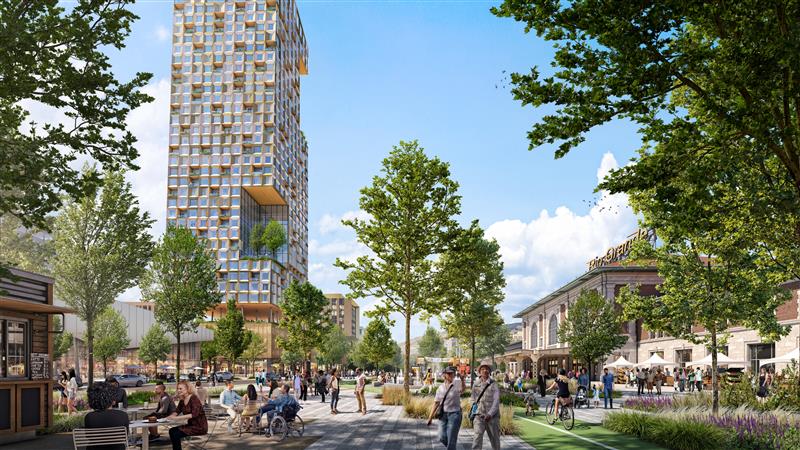
Architectural drawing of Salt Lake City’s Green Loop, through the Rio Grande District

The grant will support the environmental remediation of vacant land located near 600 West and 400 South, within Salt Lake City’s Rio Grande District. The cleanup will address legacy contamination that currently restricts the site’s potential for redevelopment.

Transforming a Gateway into a Destination

“The CRA has spent years working alongside neighborhood stakeholders to develop a bold, transit-oriented vision for the Rio Grande District,” said Cara Lindsley, Deputy Director of the Salt Lake City CRA.

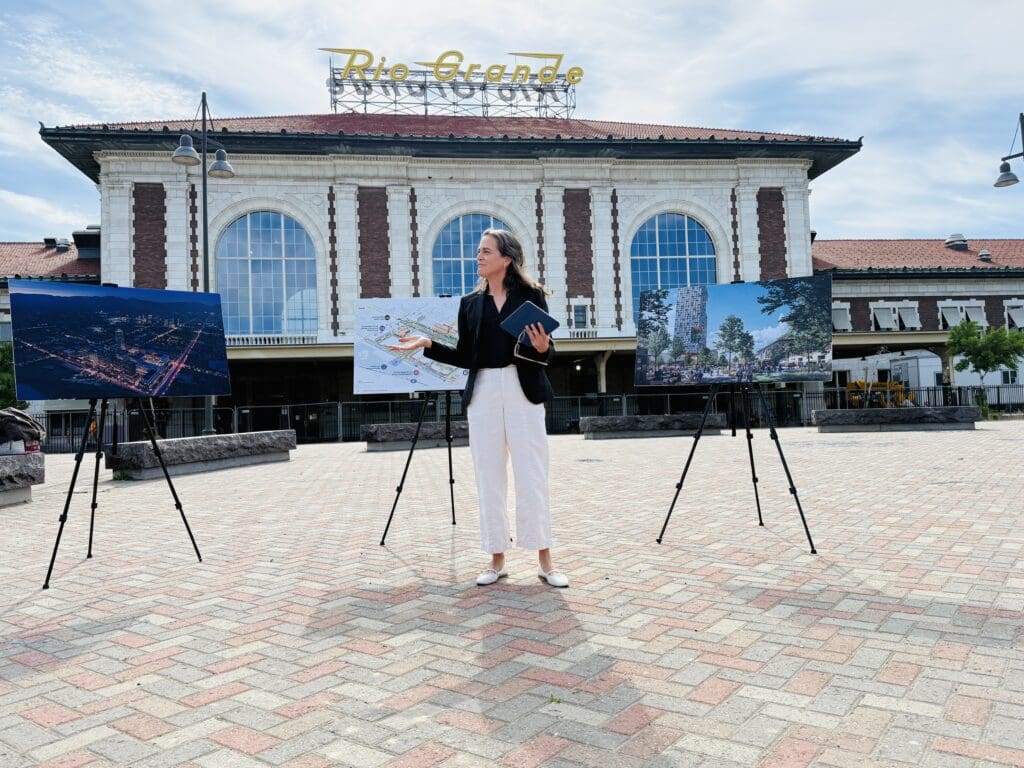
Cara Lindsley, Deputy Director of The Salt Lake City Community Reinvestment Agency talks about the Rio Grande District
Cara Lindsley, Deputy Director of The Salt Lake City Community Reinvestment Agency talks about the future of Rio Grande District

“This award helps clear a path for implementation. When fully realized, this district will serve as a memorable gateway to our capital city, with a rich mix of housing, jobs, local business, and vibrant public space.”

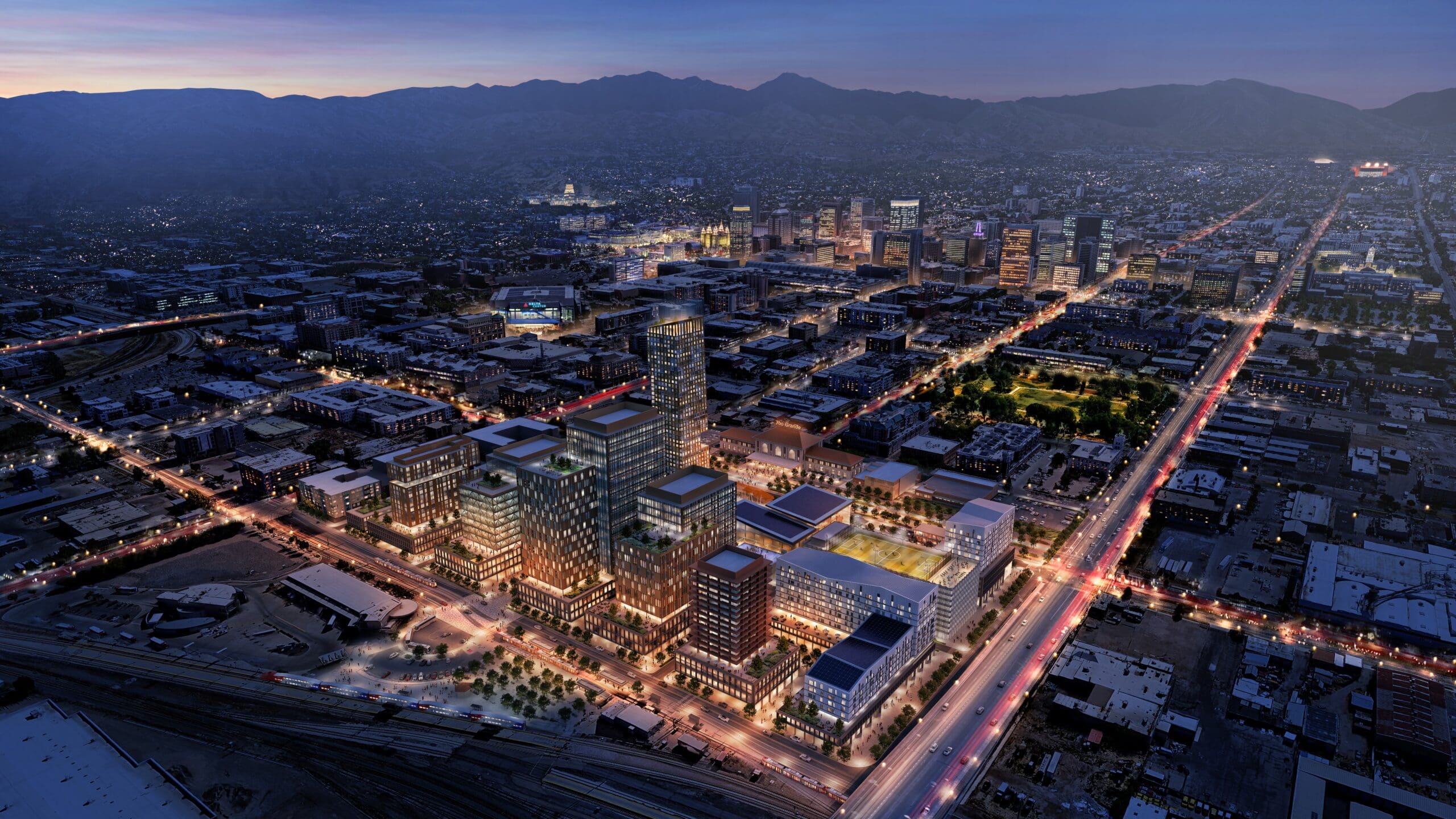
The CRA owns 11 acres of property across the district and is leading efforts to transform the area into a model of sustainable urbanism. The Rio Grande District Plan envisions a neighborhood built around walkability, bikeability, and access to Utah Transit Authority’s Salt Lake Central Station. UTA, another key partner, also plans to redevelop its adjacent property into a new headquarters and enhanced transit center.

The Power of Partnership

The $2 million award is part of the EPA’s broader $300 million investment from the Bipartisan Infrastructure Law to clean up and revitalize former industrial and commercial sites. According to the EPA, this is the largest-ever investment in Brownfields remediation in U.S. history.

“By investing in the cleanup of this underutilized site, we are turning a once-blighted property into a foundation for growth and opportunity,” said EPA Regional Administrator Cyrus Western.

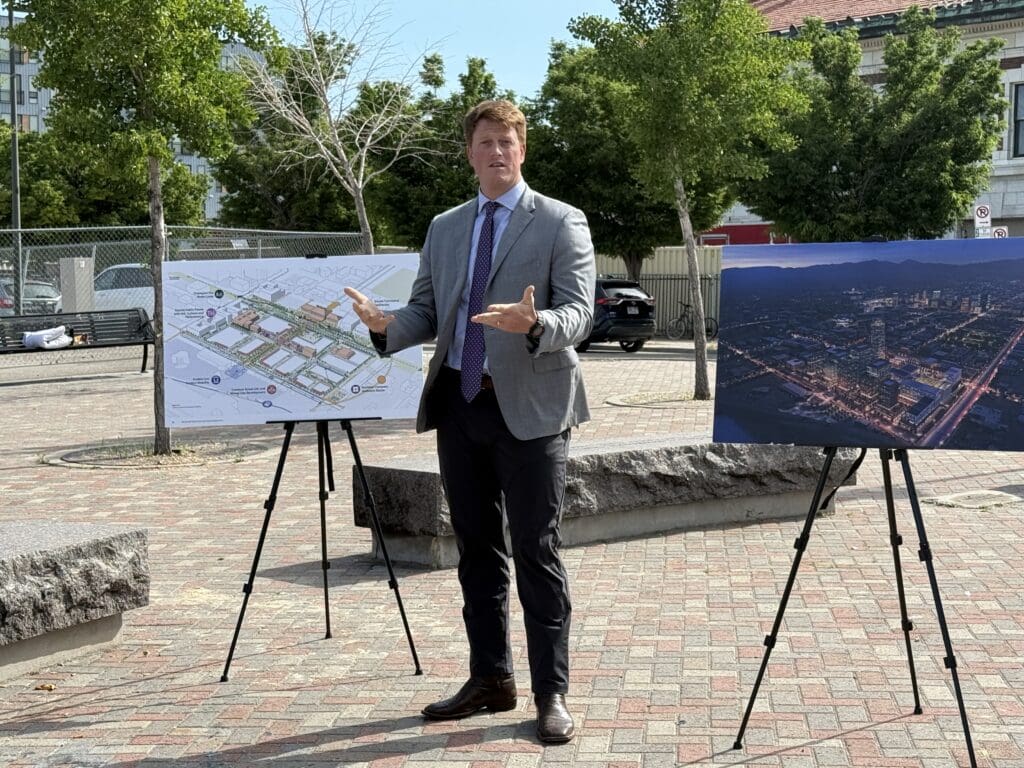
EPA Regional Director Cyrus Western
EPA Regional Director Cyrus Western discusses the power of partnership

“This grant is a testament to what we can accomplish when local, state, and federal partners come together.”

The University of Utah, which owns the targeted parcel, will manage the cleanup effort. “This EPA grant enables us to bring back to life a long-neglected parcel of land in the Rio Grande neighborhood,” said Isabeau Tavo, Associate Director of Real Estate Development at the University of Utah. “Our team is grateful for the opportunity to help transform this contaminated brownfield into a vibrant and safe place for the community.”

A New Chapter for the Rio Grande

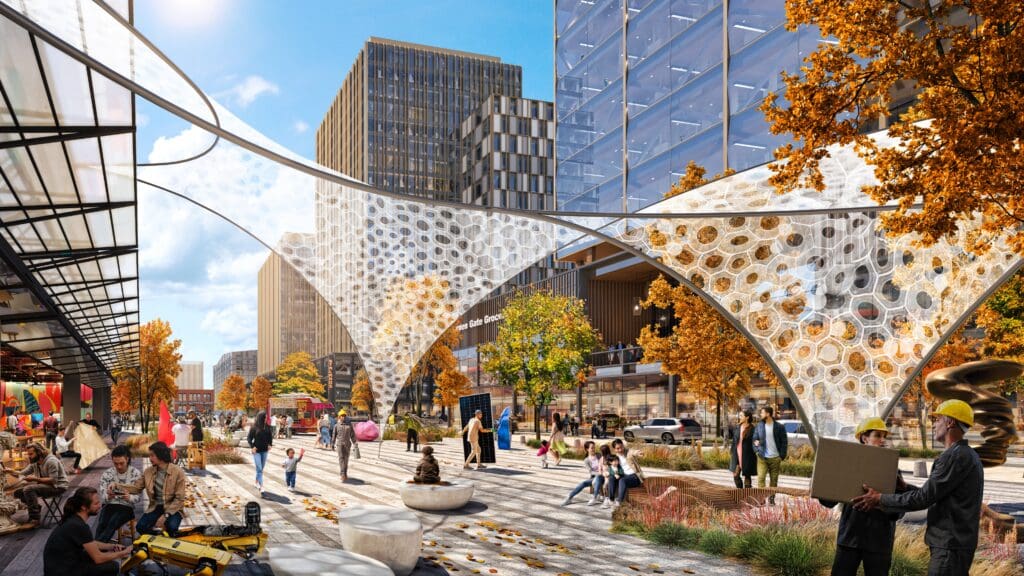
As part of the CRA’s vision, the cleaned-up site will contribute to a vibrant, mixed-use district that includes housing (both affordable and market-rate), office space, local businesses and non-profits, and cultural anchors, like the longstanding Artspace organization and new USA Climbing Headquarters and National Training Center. A reimagined 300 South will become a “festival street,” complemented by an adjacent arts alley and public plaza network.

Architectural drawing of Rio Grande District

“This funding allows us to integrate a significant corner of the neighborhood into our broader plan—bringing us closer to a district defined by placemaking, equity, and access,” said Lindsley.

Looking Ahead

The environmental cleanup is expected to begin this year, led by the University of Utah in coordination with the CRA and other partners. It represents not just a technical milestone but a symbolic one: a signal that the pieces are coming together for one of Salt Lake City’s most ambitious urban redevelopment efforts in decades.

“As the CRA, we’re used to dealing with tough sites and long timelines,” Lindsley added. “But thanks to partners like the EPA and the University, we’re turning challenges into opportunity—and moving the Rio Grande District closer to the vibrant future our community envisions

Skip to content