Five Years Later, “Art for Hope” Still Unites Salt Lake City Through Creativity

Five years ago, amid a global pandemic and national unrest, the CRA launched Art for Hope —a citywide art installation designed to inspire unity and resilience during a time of deep uncertainty.

Art for Hope SLC Sugar House Collection

Back then, “in uncertain times” was the refrain of daily life, and we were told to prepare for a “new normal.” Yet as the years have shown, uncertainty itself may be the new normal. Through it all, art continues to stand as one of our most enduring unifiers.

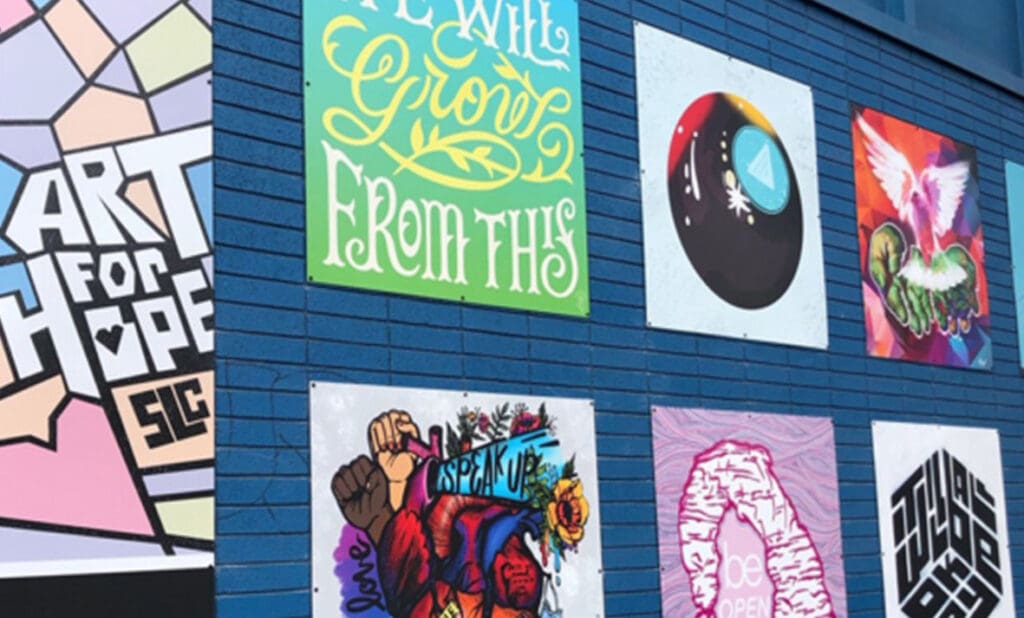
To mark the five-year anniversary of the original Art for Hope campaign, the CRA has reimagined the project—installing temporary banners featuring the original artwork on fencing near McCarthey Plaza at 154 South Regent Street. The refreshed display invites residents to reflect on how far we’ve come while celebrating the creativity that helped carry us through challenging times.
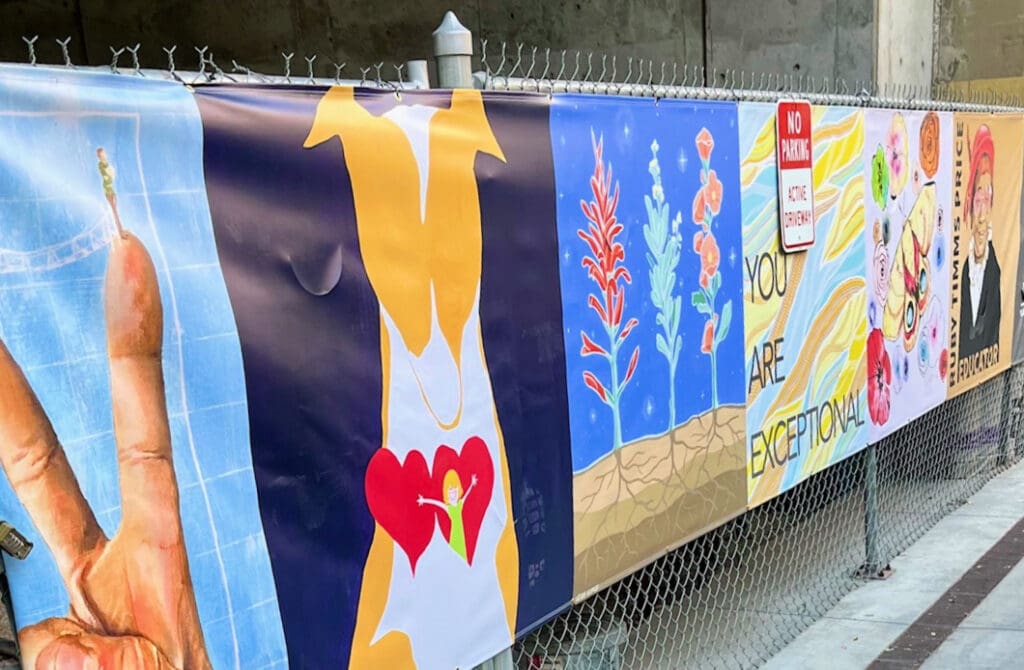
Temporary Art for Hope Installation in McCarthey Plaza in Salt Lake City

The original Art for Hope project was launched in 2020 as a collaboration between the RDA and local artists. More than 30 Utah-based artists were commissioned to create 4-by-4-foot “message squares,” each offering a visual message of optimism, solidarity, and recovery. Installed on CRA-owned properties in Downtown, Sugar House, and along North Temple, the artwork transformed blank fences and facades into beacons of color and hope when the city needed it most.
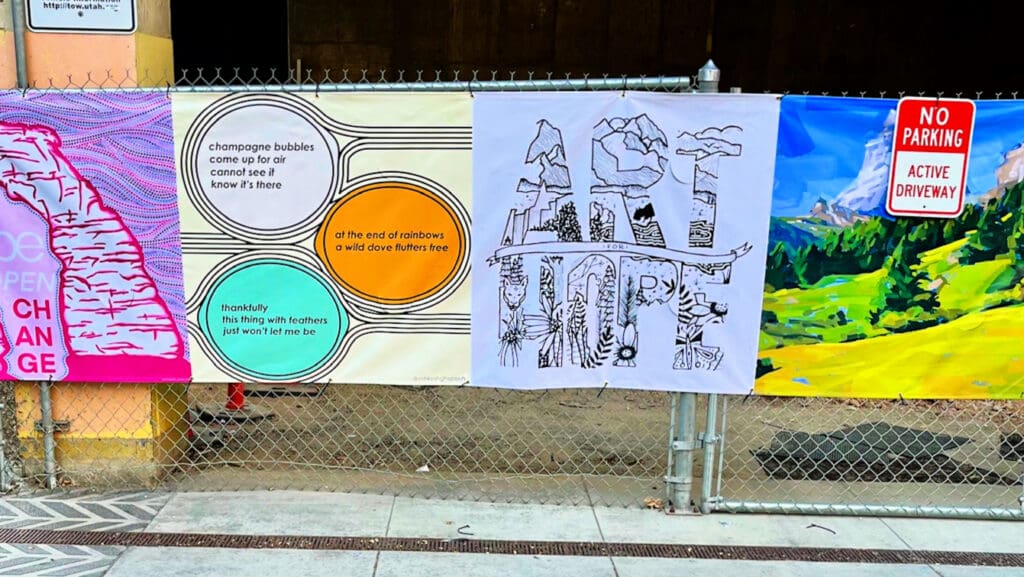
Today, visitors can walk past the Art for Hope banners and continue into McCarthey Plaza, where public art has become a defining feature of this downtown space’s creative revival. The plaza now features a large permanent installation, several murals, and a new photo exhibit titled Sonder—a striking collection of portraits highlighting Salt Lake residents who are making change in their communities.

For those who can’t make it in person, the full Art for Hope SLC gallery remains available online.

Even as the city evolves, the message remains the same: art connects us, strengthens us, and reminds us that hope, like creativity, is meant to be shared.
The Aster Earns Prestigious ULI Terwilliger Center Finalist Spot

Affordable, Ambitious—and Now a ULI Finalist

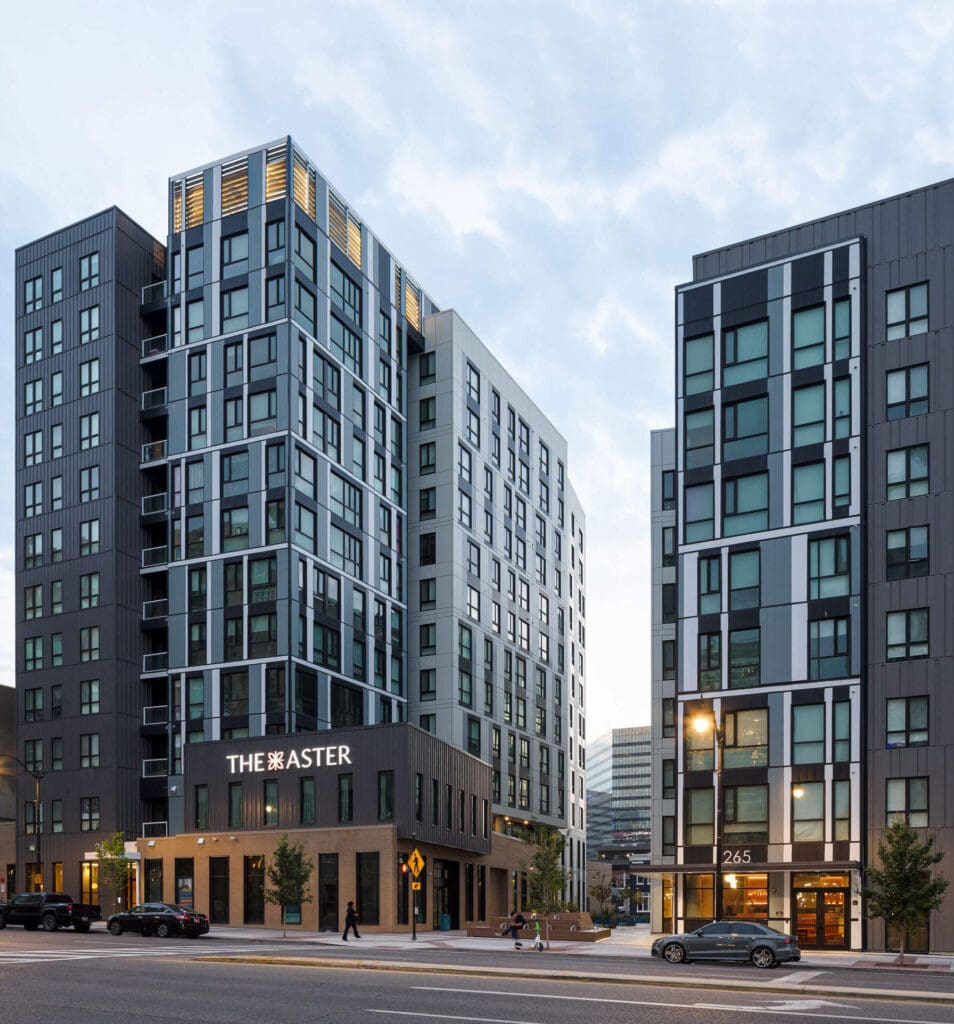
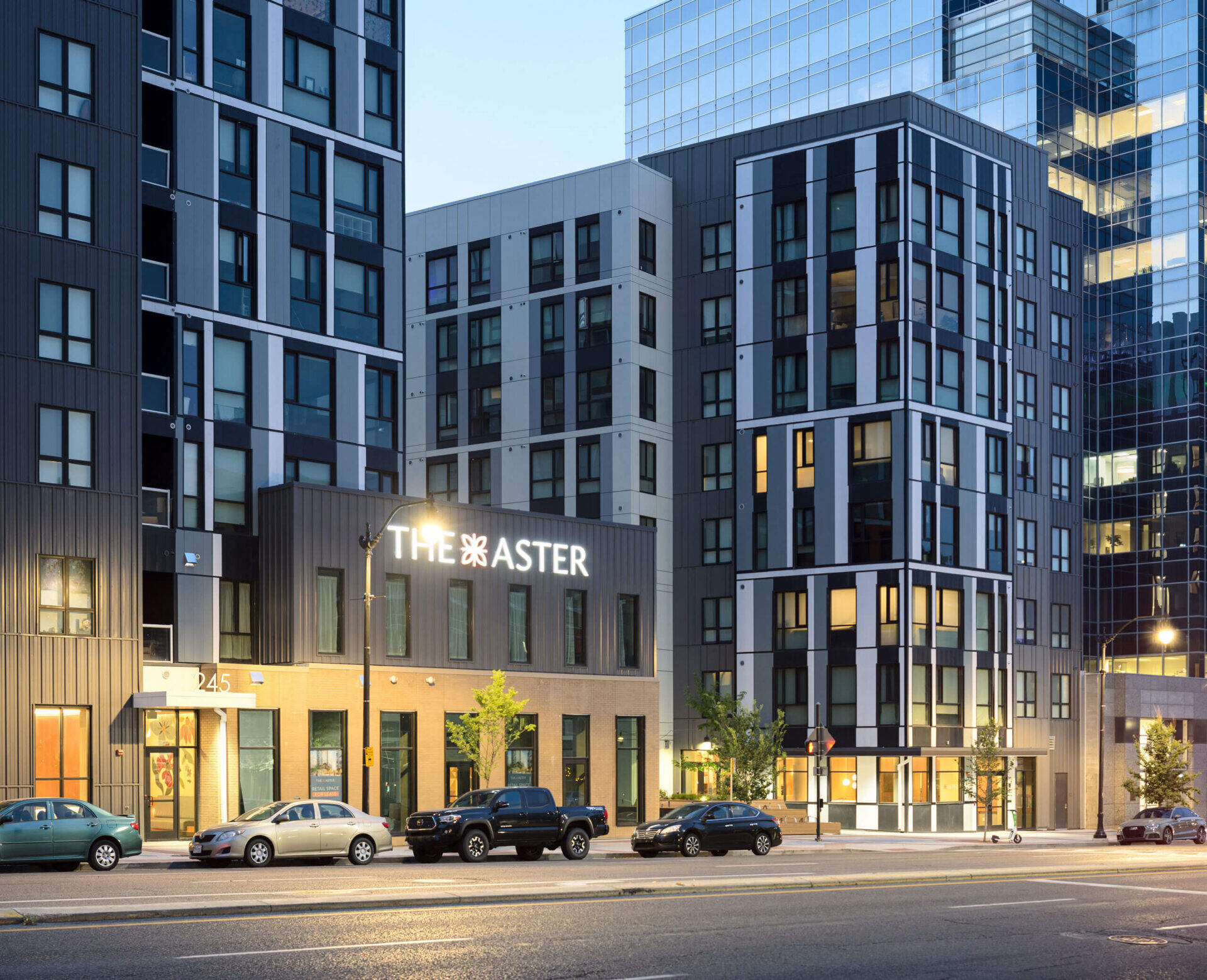
Two years after opening its doors in downtown Salt Lake City, The Aster — a mixed-use development at 255 State Street commissioned by the Salt Lake City Community Reinvestment Agency — is making headlines again: it has been named a national finalist for the 2025 Urban Land Institute Terwilliger Center Award for Innovation in Attainable Housing, a top honor recognizing innovation in housing solutions.

Recognition from ULI’s Terwilliger Center positions the project alongside national leaders in replicable, inclusive housing. According to ULI’s July announcement, The Aster is one of just eight finalists reaching the national stage .

About The Aster

Developed by Brinshore Development, The Aster offers 190 apartments, including 168 deed-restricted units priced for households earning 20 to 80 percent annual median income (AMI) – more than half of those units are available to households earning 50 percent AMI or below.

Danny Walz, CEO of Community Reinvestment Agency, highlights the significance:

“The Aster exemplifies how intentional design and public-private partnership can deliver deeply attainable housing at scale.”

The project’s developer, Brinshore Development, was selected by the CRA in 2018 through a competitive public Request for Qualifications process to build affordable housing on the CRA’s 1.1-acre property.

The Aster project received a total of $14.5 million in financial assistance from the CRA. Other public financing came from the Utah Housing Corporation, tax exempt bonds, the Olene Walker Housing Loan Fund, state housing tax credits, Salt Lake City’s Division of Housing Stability, and Salt Lake County. Architecture and construction partners include KTGY Architecture + Planning and Wadman Corporation.

Walz emphasizes that it’s the blend of family-sized units, integrated retail, and connective public space that truly sets The Aster apart.

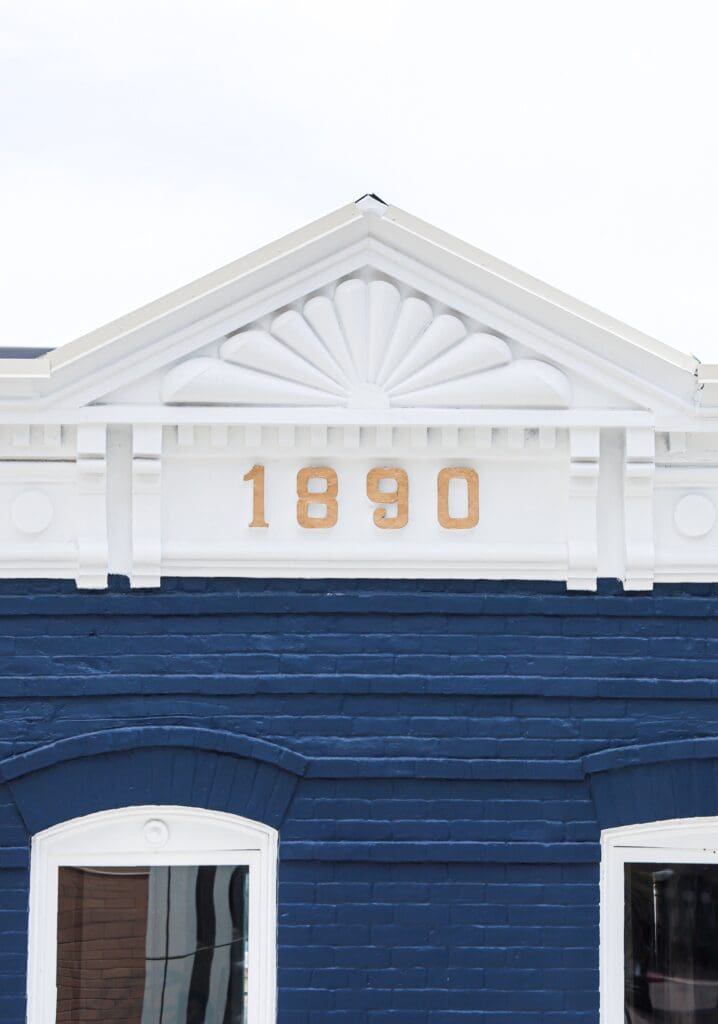
In addition to affordable housing the project also features 18,000 square feet of commercial space across two newly constructed buildings flanking a lively paseo, as well as the historic Cramer House. The result is a development that combines deep affordability with community vitality.

What’s next?

ULI will announce winners at the annual Fall Meeting in November. Regardless of the outcome, The Aster’s national recognition serves as a model for how cities can thoughtfully deliver affordable housing that contributes cultural, economic, and neighborhood value.

To learn more about the awards and other finalists, read the Urban Land Institute’s Terwilliger Housing Awards news release.

Skip to content