
Site Cleanup at 22 South Jeremy Street
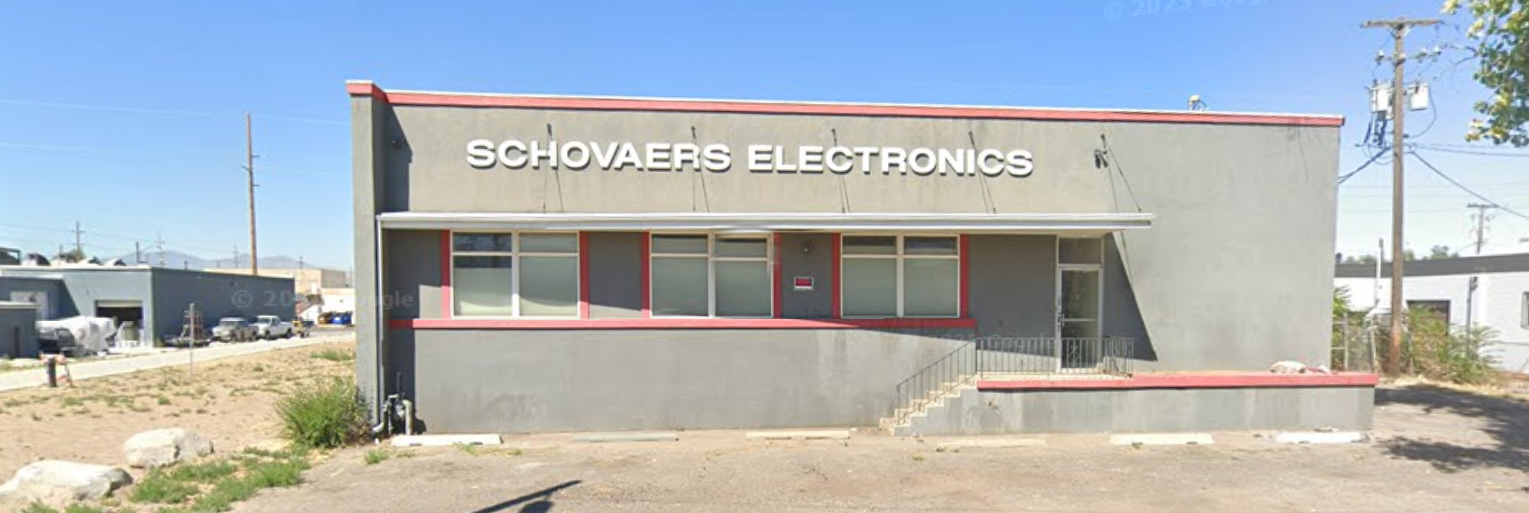
The CRA is leading the cleanup and future reuse of 22 South Jeremy Street, a former industrial site along the Folsom Trail. This work removes long-standing environmental barriers and prepares the site for safe, productive use.
Built in 1955, the property has long supported industrial uses. Over time, it has been home to an electrical cable company, a furniture upholstery business, and most recently, a circuit board manufacturing operation.
In 2022, the CRA acquired the property. Environmental investigations identified contamination in soil and groundwater beneath the building, primarily associated with past manufacturing activities. We’re now looking to ensure environmental conditions are properly addressed and to position the site for future reuse.
Environmental impacts are contained to the site and are not
expected to affect neighboring properties.
In 2023, the CRA was awarded a $495,200 grant from the U.S. Environmental Protection Agency (EPA) to support cleanup efforts. All cleanup activities will be conducted under strict state and federal environmental standards to protect public health and the surrounding neighborhood.
The CRA intends to preserve and repurpose the building for light industrial or flexible commercial use that supports activity along the Folsom Trail.
What Does Site Clean Up Look Like?
The cleanup of 22 South Jeremy Street will take place in several coordinated phases. This work is designed to address contamination in soil, groundwater, and air, and prepare the site for safe future use.
1. Site Preparation and Testing
Before cleanup begins, crews will:
- Conduct final sampling of soil, groundwater, and air conditions
- Confirm the extent and location of contamination
- Obtain permits and prepare the site for construction activity
This step ensures the cleanup approach is targeted and effective.
2. Removal of Contaminated Materials
Initial cleanup efforts will focus on removing the primary sources of contamination, including:
- Impacted soil beneath the building
- The former sump and drainage systems connected to past industrial use
- Select building components associated with contamination
Removing these materials is a critical first step in reducing risk at the site.
3. Groundwater Treatment
After source materials are removed, crews will treat impacted groundwater using in-place (in-situ) methods, which may include:
- Injecting treatment solutions into the ground to break down contaminants
- Supporting natural biological processes that reduce pollution over time
This approach helps address contamination below the surface without large-scale excavation.
4. Vapor Mitigation (If Needed)
Because some contaminants can move as vapor, additional steps may be taken to protect indoor air quality:
- Testing soil vapor and indoor air conditions
- Installing a vapor mitigation system beneath the building if needed
This system helps prevent vapors from entering indoor spaces.
5. Site Restoration
Once cleanup activities are complete:
- Excavated areas will be backfilled
- Surfaces such as concrete will be restored
- The site will be stabilized for future use
6. Monitoring and Reporting
Cleanup does not end when construction is complete. The site will be monitored to ensure the remediation is working as intended:
- Regular groundwater and vapor testing
- Ongoing reporting to regulatory agencies
- Adjustments to the cleanup approach if needed
7. Long-Term Site Management
If necessary, long-term controls may be put in place to:
- Ensure the site remains safe for its intended use
- Guide any future construction or redevelopment
Public Meeting and Comment
Public Meeting and Comment Period
The Salt Lake City Community Reinvestment Agency (CRA) will host a virtual public meeting to share information about the cleanup of 22 South Jeremy Street and answer questions from the community.
Date: April 28, 2026
Time: 6:00 p.m. (MDT)
Location: Online (Microsoft Teams)
Join the meeting
Meeting ID: 276 016 443 235 67
Passcode: cz6LU7xt
During the meeting, staff will provide an overview of the cleanup plan, timeline, and what to expect as work begins later this year.
Public Comment Period
The public is invited to share feedback on the cleanup plan.
Comment period: April 5 through May 5, 2026 (closes at 5:00 p.m. MDT)
Comments submitted during this time will be included in the official project record and considered as part of the cleanup process.
Need Assistance?
If you need help accessing the meeting, including language assistance or accommodations, please contact the CRA by April 24, 2026. Every effort will be made to ensure the meeting is accessible.
Contact:
Austin Taylor
Project Manager, Community Reinvestment Agency
austin.taylor@slc.gov
22 South Jeremy FAQ
The Salt Lake City Community Reinvestment Agency (CRA) is leading the environmental cleanup of this property. The site was previously used for industrial purposes, including circuit board manufacturing, which resulted in contamination that now needs to be safely addressed.
The property was difficult to redevelop due to environmental contamination. The CRA acquired the site in 2022 to ensure cleanup is completed properly and to prepare the property for safe, productive reuse.
Environmental investigations identified impacts to soil and groundwater from past industrial activity, including metals and volatile organic compounds (VOCs) commonly associated with manufacturing processes.
Environmental impacts are contained to the site and are not expected to significantly affect neighboring properties.
The site is not open to the public, and there is no immediate risk to the surrounding neighborhood. Cleanup will follow strict state and federal environmental standards designed to protect public health and safety.
Remediation is the process of removing or treating contamination to reduce or eliminate environmental and health risks and make a site safe for future use.
Cleanup will focus on:
- Removing contaminated soil in targeted areas
- Treating groundwater through in-place chemical injection
- Monitoring conditions over time to ensure the cleanup is effective
Additional measures, such as vapor mitigation, may be used if needed to protect indoor air quality.
Cleanup is expected to begin as early as May 2026, following final approval from state and federal regulators.
Neighbors may notice increased activity at the site, including construction equipment, trucks, and work crews. Some temporary noise or traffic impacts are possible, but efforts will be made to minimize disruption.
Some dust or temporary odors may occur during certain phases of cleanup. Contractors will use control measures to minimize impacts, and work will be conducted under regulatory standards to ensure conditions remain safe.
Some temporary traffic impacts may occur as equipment and materials are brought on and off the site. Full closures are not anticipated.
Cleanup timelines can vary depending on site conditions. Initial work will begin in Spring 2026, followed by ongoing monitoring to ensure the cleanup is working as intended.
The CRA was awarded a $495,200 grant from the U.S. Environmental Protection Agency (EPA) to support cleanup of the site.
The project is led by the CRA in coordination with its environmental consultant, Terracon, and is regulated by the Utah Department of Environmental Quality and the EPA.
If additional contamination is discovered, the cleanup plan allows for adjustments to ensure the site is addressed safely and in compliance with regulatory requirements. If adjustments are needed, the CRA will continue to work with regulatory partners to ensure the cleanup is completed safely and in compliance with all requirements.
The CRA is responsible for overseeing the project, and all work must meet state and federal regulatory requirements. It will share updates through its website, public meetings, and direct outreach to neighborhood groups.
A virtual public meeting will be held on April 28, 2026, at 6:00 p.m., and a public comment period will run from April 5 through May 5, 2026.
Contractors and environmental professionals are required to follow approved plans and safety standards, with oversight from the EPA and the State of Utah.
Community members are encouraged to attend the public meeting or submit comments during the comment period.
You may also contact the CRA directly:
Austin Taylor, Project Manager
austin.taylor@slc.gov
(435) 705-3519
The CRA intends to preserve and repurpose the building for light industrial or flexible commercial use that supports activity along the Folsom Trail.
Property values are influenced by many factors, but in general, addressing environmental issues and reinvesting in underutilized properties can have a positive impact over time.
Removing contamination and preparing sites for reuse is an important step in strengthening neighborhood conditions and supporting long-term stability.